
Collective Commitment, Strategic Institutional Reorganization, and Transformation Towards University Autonomy
07 Nov, 2026
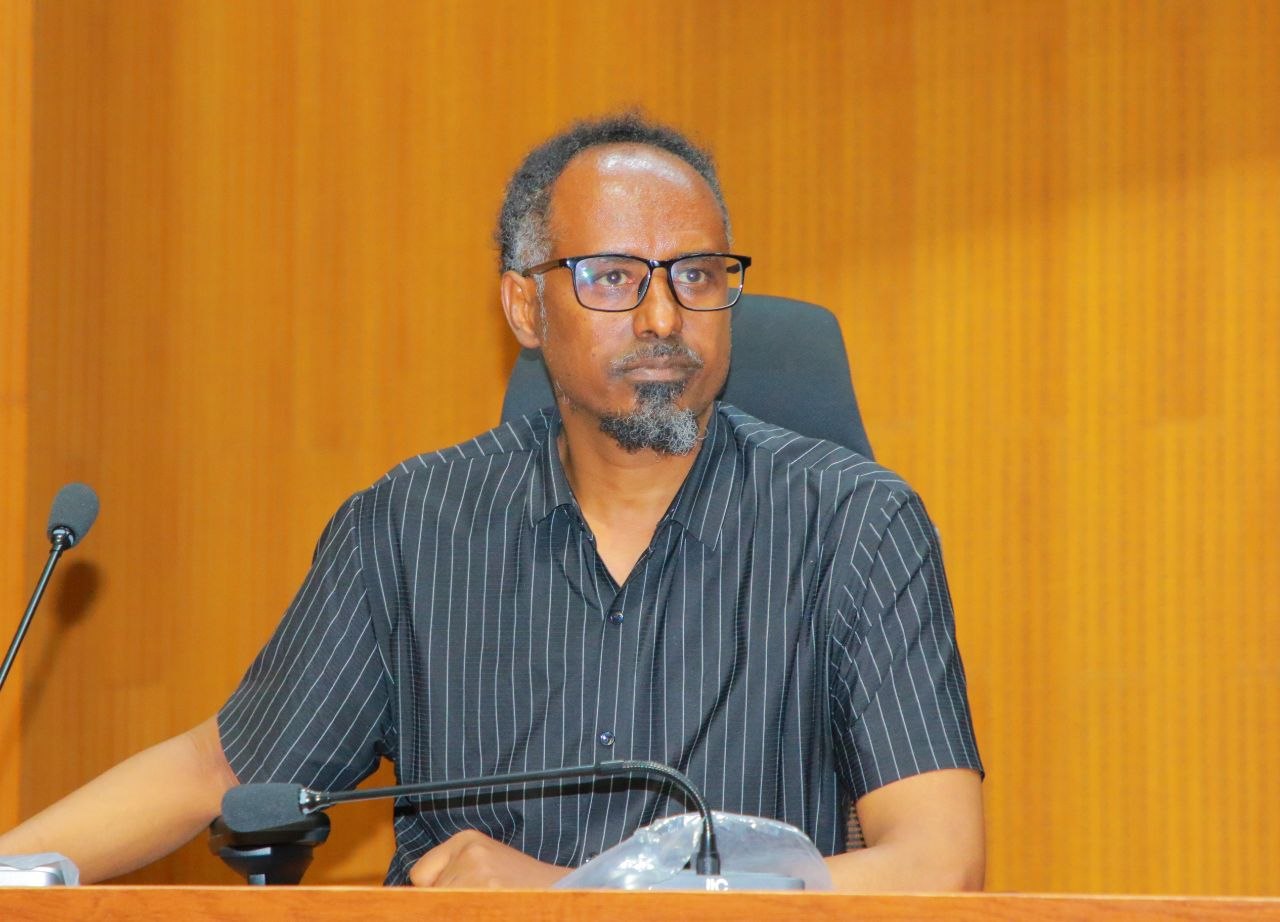
BDU President Dr. Mengesha Ayene Calls for Collective Commitment, Strategic Institutional Reorganization, and Transformation Towards University Autonomy
(BDU | Late Post | November 2026) Bahir Dar University President, Dr. Mengesha Ayene, has called for strengthened institutional commitment, strategic organizational restructuring, and collective responsibility to accelerate the University's transition towards full institutional autonomy. He emphasized that the transition requires a shared vision, effective leadership, institutional accountability, and the strategic utilization of available resources to build a more productive, innovative, and financially sustainable university.
The President made the remarks during a university-wide institutional experience-sharing forum held at Wisdom Hall, where the Bahir Dar Institute of Technology (BiT) and the Ethiopian Institute of Textile and Fashion Technology (EiTEX) presented their institutional experiences, achievements, ongoing initiatives, and strategic preparations for operating within an autonomous university system.
In his closing remarks, Dr. Mengesha appreciated the two institutes for their pioneering efforts and highlighted the importance of translating their experiences into practical lessons for the University's broader institutional transformation. He underscored that autonomy should not be understood merely as an administrative or legal transition, but as a comprehensive process of institutional transformation that demands organizational effectiveness, academic excellence, innovation, entrepreneurship, and sustainable resource management.
 Addressing the University's future organizational direction, the President emphasized the importance of restructuring academic and administrative units based on complementary mandates, institutional capacities, and emerging development opportunities. As practical considerations, he highlighted the potential integration of the Faculty of Social Sciences and the Faculty of Humanities under a unified college structure. He also stressed the strategic value of establishing a proposed School of Arts to bring together arts-related academic disciplines, including Cinema and Theatre Arts, Music Arts, Visual Arts, and other related creative fields.
He noted that such an arrangement could strengthen interdisciplinary collaboration, promote shared resource utilization, expand creative production, and enhance the University's contribution to the cultural and creative industries. The President further called on all university leaders, employees, and institutional units to take ownership of the autonomy agenda by identifying institutional opportunities, improving operational capacities, and translating strategic priorities into measurable actions and results.
Earlier, Professor Dessalegn Ejigu,
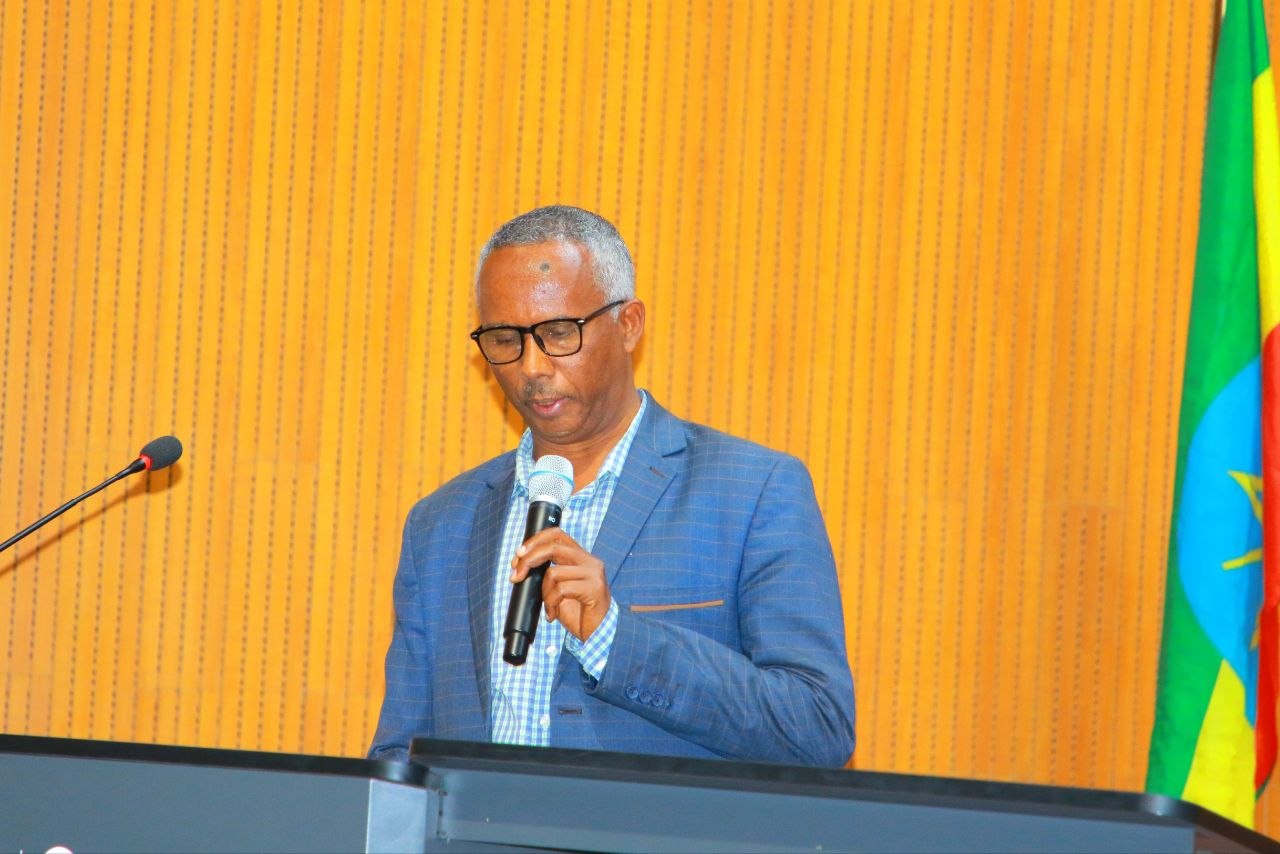
Vice President for Academic Affairs and Lead of the Bahir Dar University Autonomy Transformation Office, officially opened the forum, emphasizing the importance of institutional experience sharing, collaborative learning, and collective preparedness in advancing the University's autonomy transformation.
He explained that the experiences of BiT and EiTEX would provide valuable institutional insights into governance, academic administration, resource management, entrepreneurship, and operational autonomy. He also indicated that similar experience-sharing initiatives would extend to other academic units to strengthen university-wide institutional learning and readiness.
Presenting the progress of the Autonomy Transformation Office, Professor Dessalegn outlined the major activities and achievements undertaken to establish the legal, governance, academic, administrative, and financial frameworks necessary for the transition.
Among the major milestones, he highlighted the preparation and submission of the draft Autonomy Regulation, the development of a proposed university governance structure, and the ongoing preparation of a comprehensive institutional organizational blueprint.
He further outlined the development of institutional policies covering research and community engagement, student admission, internationalization and partnerships, artificial intelligence, disability and inclusion, alumni engagement, and institutional communication. In addition, the Office has been preparing administrative and financial operational directives addressing financial control, budget allocation, procurement, resource mobilization, human resource management, internal audit, risk management, and property administration.
Regarding institutional modernization, Professor Dessalegn highlighted ongoing efforts to strengthen digital governance and service delivery through automation and smart-campus initiatives, including the Student Information Management System (SIMS), Integrated Financial Management Information System (IFMIS), program and course management, research management, active directory, and digital identification systems.
He emphasized that successful institutional autonomy requires more than the preparation of regulations, policies, and organizational structures; it also depends on effective governance, accountability, institutional commitment, and the active participation of the entire university community.
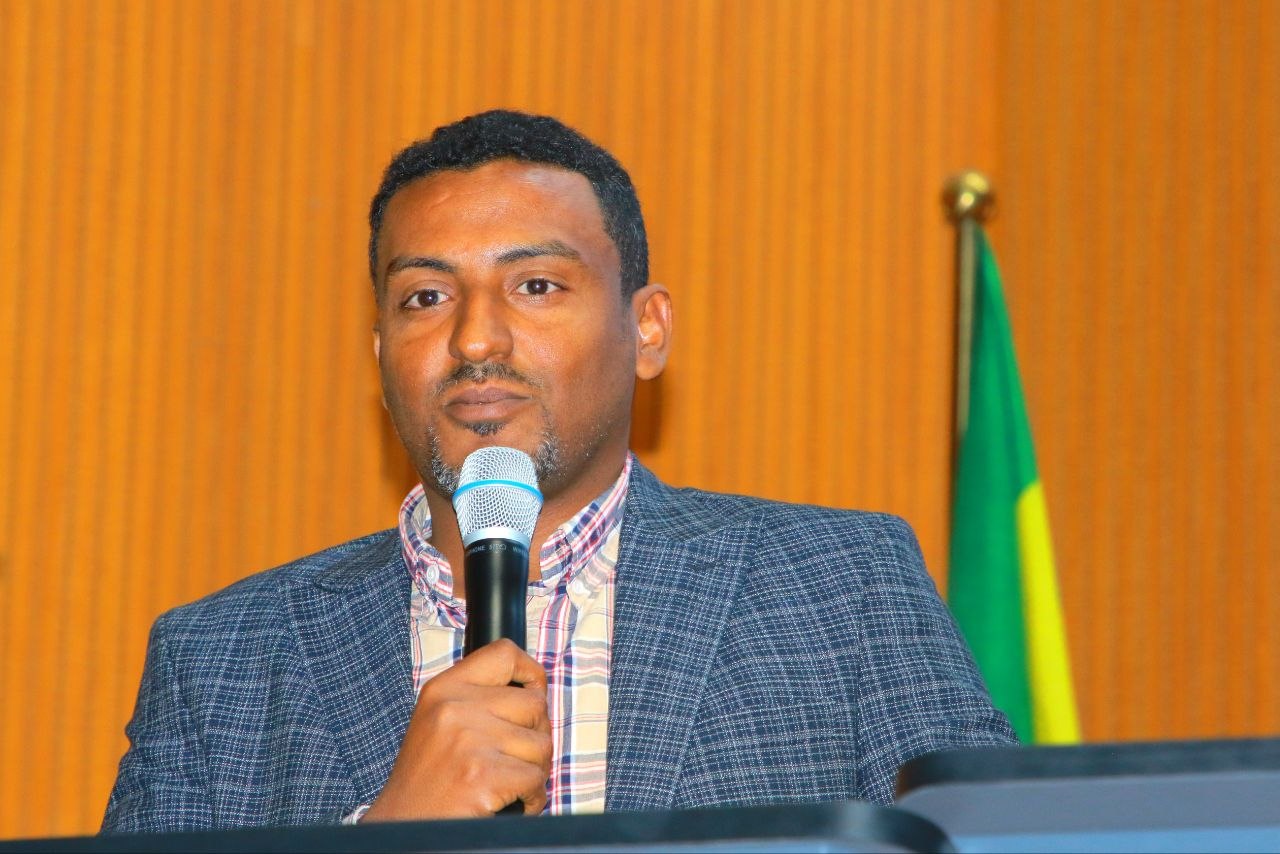
Presenting the institutional experience of the Bahir Dar Institute of Technology, Dr. Mitiku Damte, Scientific Director of BiT, highlighted the Institute's institutional capacities, achievements, ongoing preparations, and strategic priorities for operating within an autonomous university framework.
He outlined opportunities to expand the Institute's engagement in software and application development, technological innovation, mechanical machinery manufacturing, entrepreneurship, and agricultural mechanization.
Dr. Mitiku emphasized the importance of diversifying institutional revenue through research, innovation, technology transfer, development projects, and the productive utilization of existing human, material, and technological resources.
Drawing lessons from Addis Ababa University's institutional autonomy experience, he highlighted the importance of capable leadership, strategic planning, institutional accountability, effective resource management, and active participation across academic and administrative structures.
He further noted that institutional autonomy should create opportunities for universities to move beyond conventional academic and administrative operations towards becoming innovative, productive, entrepreneurial, and financially sustainable institutions.
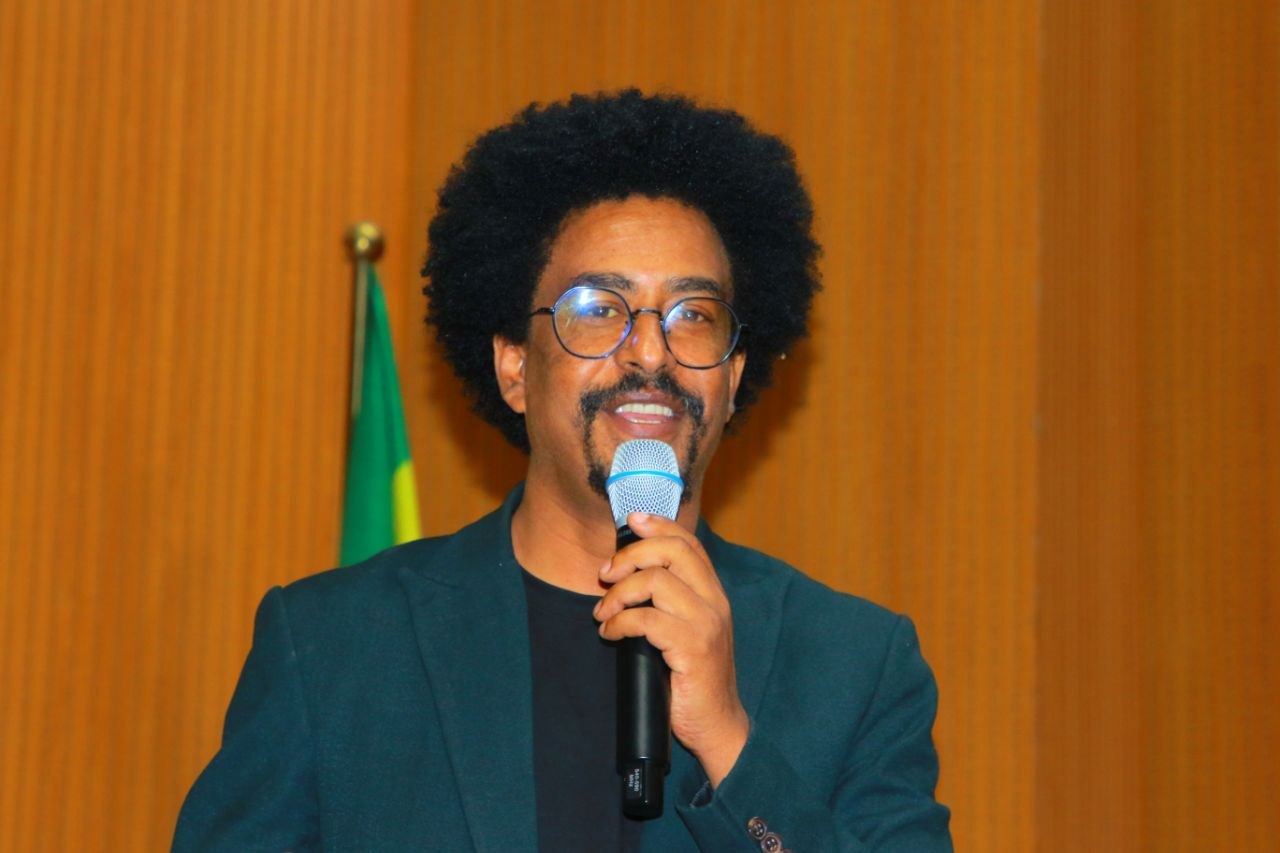
In the second institutional presentation, Professor Tamrat Tesfaye, Scientific Director of the Ethiopian Institute of Textile and Fashion Technology, presented EiTEX's autonomy preparations, production capacities, strategic initiatives, and international experiences.
He highlighted the Institute's potential in textile technology, fashion design, visual arts, garment production, medical textiles, and other emerging creative and industrial fields.
Professor Tamrat explained that EiTEX is undertaking institutional assessments, awareness-creation activities, stakeholder consultations, and strategic document preparation to strengthen its readiness for autonomy. He emphasized the importance of transforming academic knowledge, research, and practical training into productive enterprises and market-oriented activities.
He also highlighted the Institute's ambition to contribute to positioning Bahir Dar as a fashion city through expanded professional training, enhanced production capacity, stronger industrial engagement, and increased access to local, regional, and national markets.
A key priority highlighted in the presentation was the productive utilization of underutilized laboratories, production facilities, industrial sheds, buildings, and machinery to maximize institutional resources and generate additional income.
Professor Tamrat further emphasized the opportunities for integrating textile and fashion technology with cinema, theatre, music, and visual arts to promote interdisciplinary collaboration, artistic production, and the development of the creative industries.
As part of its revenue-diversification strategy, EiTEX also presented plans to utilize its textile and garment production facilities to manufacture university-branded products and institutional supplies, including T-shirts, bags, diaries, paper bags, neckties, flags, umbrellas, scarves, caps, key holders, posters, and staff uniforms. The initiative is intended to strengthen local production capacity, reduce expenditure on externally procured products, and create additional sources of internally generated revenue.
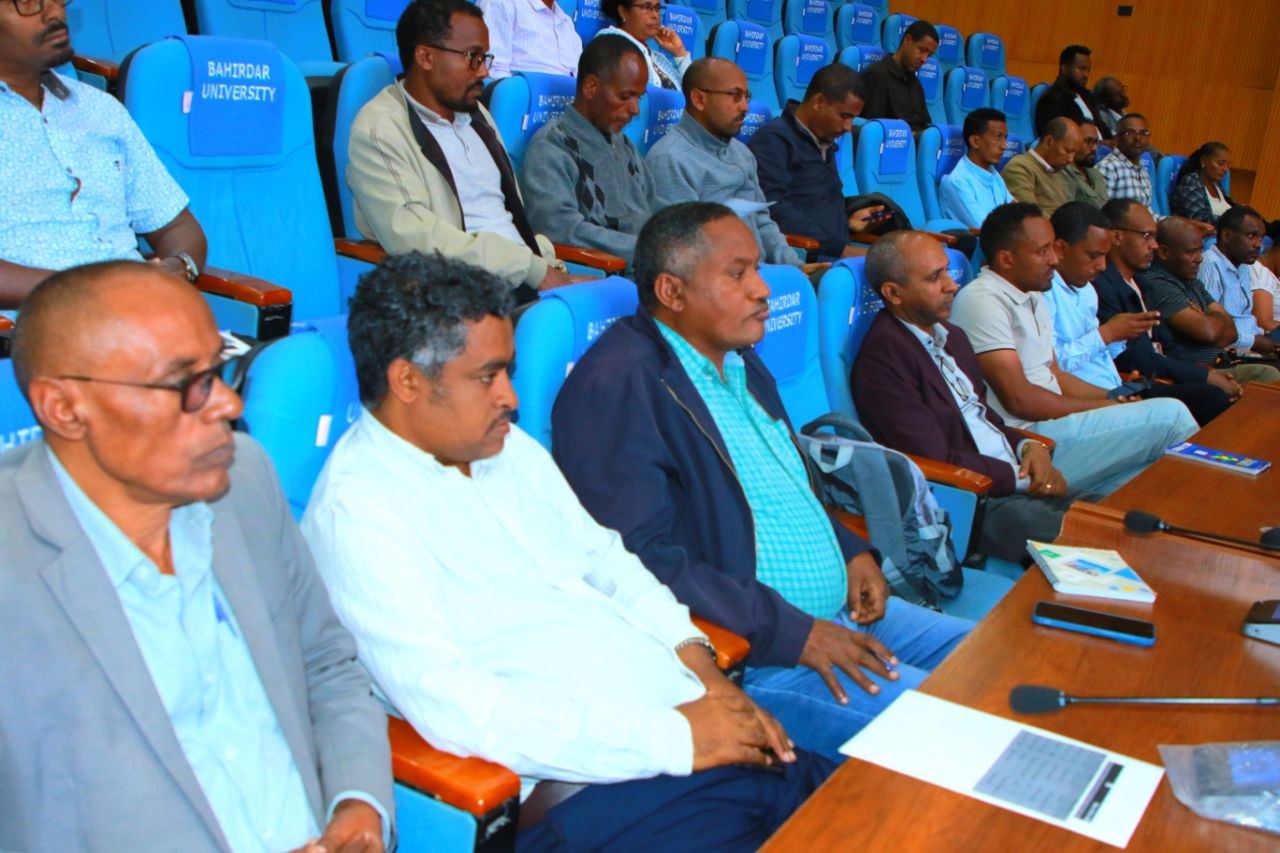
The forum brought together members of the University Senate, vice presidents, directors, deans, and senior academic and administrative officials to examine institutional achievements, identify existing gaps, explore development opportunities, and discuss potential challenges associated with the autonomy transition.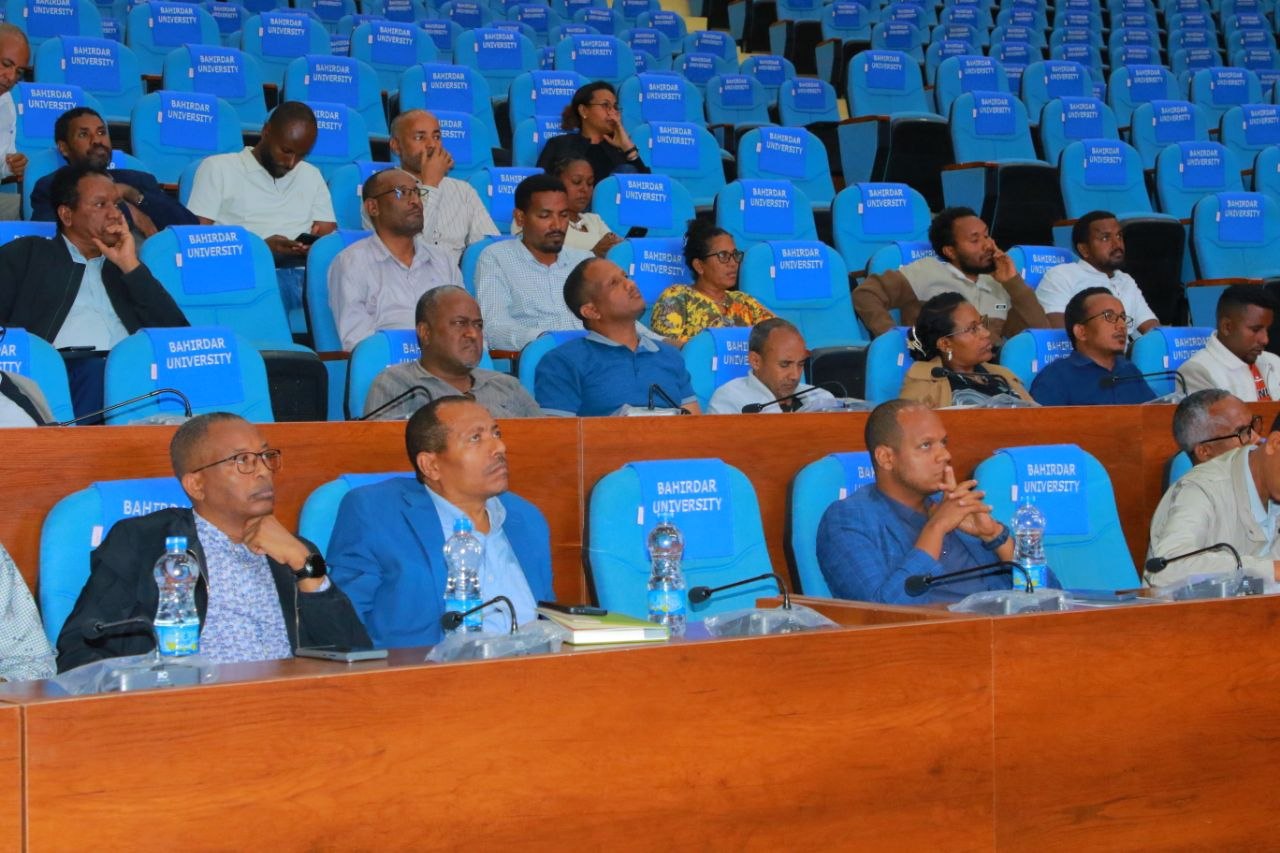
The presentations and subsequent discussions highlighted the importance of strengthening institutional governance, diversifying revenue sources, improving financial management, expanding strategic partnerships, and creating an enabling environment for academic excellence, research, innovation, and entrepreneurship.
Participants also emphasized the need to translate the experiences of BiT and EiTEX into actionable institutional strategies and ensure that all colleges, faculties, institutes, and administrative units actively contribute to the University's transformation agenda.
The experience-sharing forum represents an important step in Bahir Dar University's ongoing efforts to strengthen institutional readiness for autonomy. By combining strategic leadership, organizational restructuring, academic excellence, technological innovation, entrepreneurship, and effective resource management, the University is working towards building a more competitive, productive, and financially sustainable autonomous research university.
Bahir Dar University, Ethiopia
Wisdom at the Source of the Blue Nile!