English
 French
 German
 Amharic

Bahir Dar University Sport Academy Holds Outcome-Based Curriculum Validation Workshop
Sport Academy
28 Aug, 2026
Bahir Dar University Sport Academy Holds Outcome-Based Curriculum Validation Workshop
Bahir Dar University Sport Academy successfully conducted an Outcome-Based Education (OBE) Curriculum Validation Workshop on Friday, 28 August 2026, at the Sport Academy Hall. The workshop brought together relevant academic and professional stakeholders to critically review, validate, and provide constructive recommendations on the proposed curricula of the Academy's undergraduate programs.
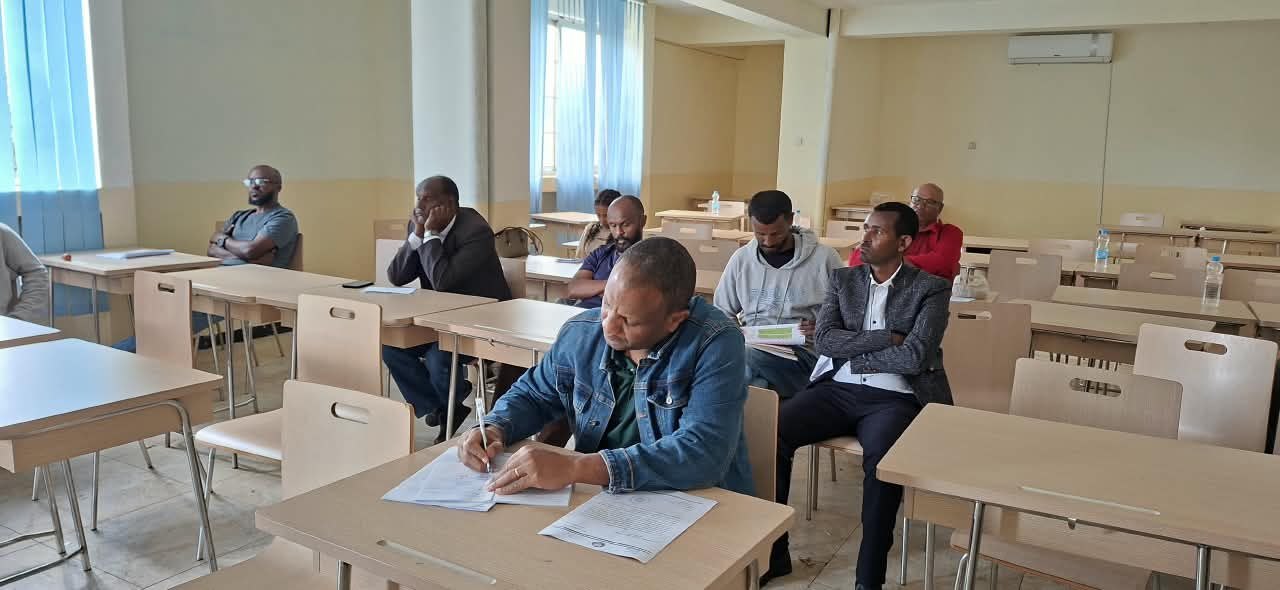
The validation workshop focused on two major programs:
- BSc in Sport Sciences
- BEd in Health, Physical Education and Sports
The workshop represents an important milestone in the Academy's ongoing effort to strengthen the quality, relevance, and responsiveness of its academic programs and to ensure that its curricula are aligned with contemporary developments in sport, education, coaching, management, health, physical activity, and community development.
Strengthening Curriculum Quality through Stakeholder Engagement
The workshop provided an important platform for academic and professional stakeholders to examine the proposed curricula from different perspectives and contribute their expertise to the curriculum development and quality-assurance process.
Participants critically examined the proposed curriculum documents and provided recommendations concerning the graduate profile, professional profile, program learning outcomes, course structure, course sequencing, credit-hour distribution, course contents, course learning outcomes, teaching and learning approaches, assessment strategies, practical components, field-based learning, learning resources, and alignment between program outcomes and individual courses.
Particular attention was given to ensuring that the proposed curricula are not only academically sound but also responsive to the practical realities and emerging demands of the sport and education sectors.
Emphasis on Outcome-Based Education
A central focus of the workshop was the application of Outcome-Based Education principles throughout the curriculum.
The OBE approach places emphasis on what graduates are expected to know, understand, demonstrate, and apply upon completion of their studies. Accordingly, the proposed curricula were reviewed to determine whether the intended learning outcomes are clearly defined and whether courses, teaching and learning activities, and assessment methods provide students with appropriate opportunities to achieve those outcomes.
The validation process also considered the need for constructive alignment among:
Program Learning Outcomes → Course Learning Outcomes → Teaching and Learning Activities → Assessment → Evidence of Graduate Competence.
This approach is intended to ensure that graduates leave the Academy not only with theoretical knowledge but also with the practical, analytical, professional, technological, communication, teamwork, and problem-solving competencies required in their respective fields.
Review of the BSc in Sport Sciences Curriculum
The proposed BSc in Sport Sciences curriculum was reviewed with particular attention to the broad competencies required of contemporary sport science professionals.
The discussions highlighted the importance of integrating scientific knowledge with practical application in areas such as exercise and training, sport performance, biomechanics, exercise physiology, sport psychology, sport nutrition, injury prevention, first aid and emergency response, sport technology, performance analysis, research, sport management, and field attachment.
Participants also emphasized the importance of preparing graduates to analyze data, apply contemporary scientific evidence, use appropriate sport science technologies, communicate professionally, work effectively in multidisciplinary teams, and respond to practical challenges in sport and exercise settings.
The review further considered the need for appropriate practical experiences and authentic assessment methods through which students can demonstrate the competencies specified in the Program Learning Outcomes.
Review of the BEd in Health, Physical Education and Sports Curriculum
The proposed BEd in Health, Physical Education and Sports curriculum was also critically examined in relation to the changing demands of education, physical activity, health promotion, and sport.
The validation discussions considered the preparation of future teachers and professionals who can effectively integrate pedagogical knowledge, physical education, health, sport skills, practical teaching, assessment, communication, classroom management, inclusion, and professional ethics.
Stakeholders emphasized the importance of ensuring that the curriculum prepares graduates who can respond effectively to diverse learners and educational contexts while promoting active, healthy, inclusive, and physically literate communities.
Emphasis on Practical and Professional Competence
A major theme emerging from the workshop was the importance of strengthening the practical orientation of the curricula.
Sport professionals require more than classroom-based theoretical knowledge. They must be able to apply their knowledge in real-world environments, work with athletes and learners, manage sport programs and facilities, use sport-related technologies, solve practical problems, communicate with stakeholders, and make evidence-informed professional decisions.
Accordingly, the validation process emphasized the integration of:
- Practical and laboratory learning
- Field-based learning
- Sport and physical-activity programs
- Professional practice and field attachment
- Case studies and problem-based learning
- Project-based learning
- Simulation and practical demonstrations
- Authentic and competency-based assessment
- Research and evidence-based practice
- Appropriate use of digital and sport science technologies
Curriculum Relevance to the Sport Industry and Community
The workshop also emphasized the need for the curricula to respond to the evolving needs of the sport industry, educational institutions, sport organizations, communities, and other relevant stakeholders.
The curricula are expected to contribute to the development of professionals who can work across diverse settings, including schools, sport clubs, academies, fitness and wellness centers, sport organizations, community programs, research institutions, and other sport-related environments.
The discussions therefore encouraged stronger connections between academic learning and professional practice and highlighted the importance of producing graduates who can contribute meaningfully to organizational and community objectives.
Constructive Recommendations for Further Improvement
Participants provided valuable observations and recommendations aimed at improving the coherence and effectiveness of the proposed curricula.
The recommendations included strengthening the alignment between Program Learning Outcomes and Course Learning Outcomes; reviewing course sequencing and prerequisites; ensuring appropriate balance in credit-hour distribution; improving the integration of practical learning; strengthening assessment strategies; updating learning resources and references; and ensuring that graduates have sufficient opportunities to demonstrate mastery of the competencies expected at program level.
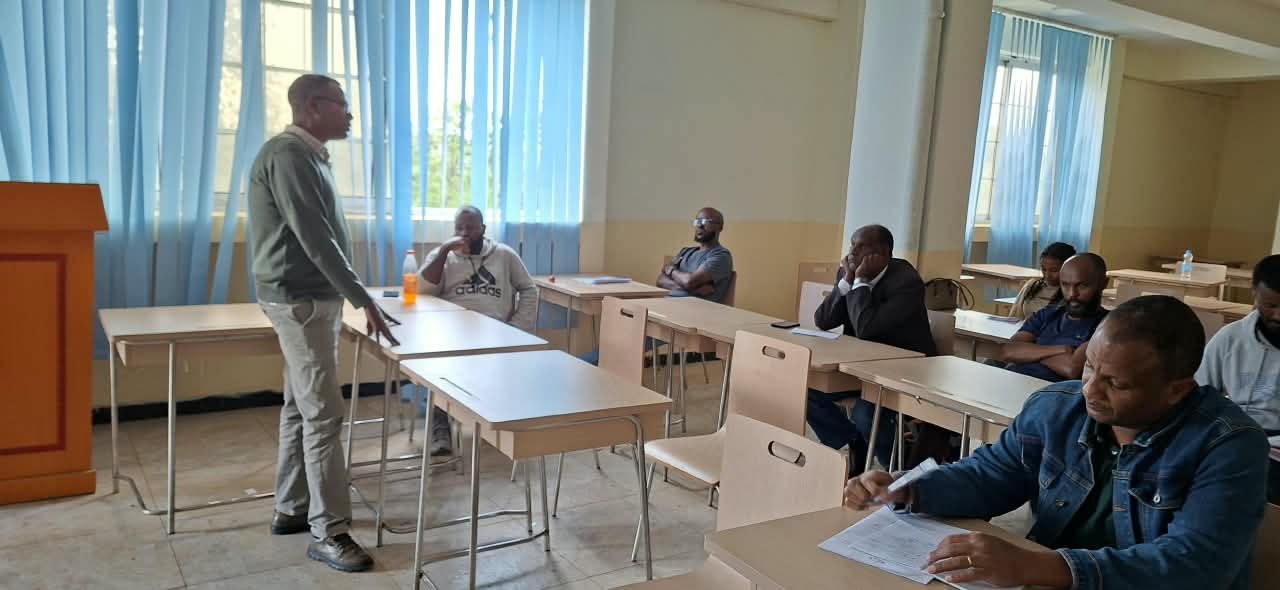
The workshop also highlighted the importance of continuously reviewing curricula in response to changes in science, technology, professional practice, societal needs, and developments within the sport and education sectors.
Curriculum Validation as Part of Continuous Quality Improvement
The validation workshop forms part of the Academy's broader commitment to continuous quality improvement and stakeholder-informed curriculum development.
Curriculum development is understood as an ongoing process rather than a one-time activity. Feedback obtained from academic staff, professionals, employers, practitioners, and other stakeholders provides important evidence for identifying strengths, addressing gaps, and improving the relevance and quality of academic programs.
The recommendations generated during the workshop will therefore serve as important inputs for the curriculum development team as it undertakes the next stage of revision and refinement before the curricula proceed through the subsequent institutional approval and validation processes.
Towards a Center of Excellence in Sport
The curriculum validation initiative is closely connected to the broader vision of the Bahir Dar University Sport Academy to become a Center of Excellence in Sport Education, Coaching and Management for Community Impact and Global Recognition.
Achieving this vision requires strong academic programs capable of producing competent, ethical, innovative, socially responsible, and professionally prepared graduates.
By continuously strengthening its curricula, integrating scientific knowledge with practical experience, engaging stakeholders, and responding to emerging needs in sport and education, the Academy is working to establish an academic environment that supports excellence in teaching, coaching, research, professional practice, innovation, and community engagement.
Appreciation to Participants and Contributors
Bahir Dar University Sport Academy extends its sincere appreciation to all academic staff, curriculum development committee members, academic and professional stakeholders, experts, administrators, and other participants who contributed their time, expertise, and constructive perspectives to the validation workshop.
Their professional insights and recommendations are valuable contributions to the continued development of high-quality and relevant academic programs at the Academy.
The Academy looks forward to incorporating the feedback received and continuing the collaborative process of curriculum improvement.
Looking Ahead
The successful completion of the OBE Curriculum Validation Workshop marks another important step in the Academy's journey toward academic and professional excellence.
The next stage will focus on carefully reviewing the recommendations, refining the proposed curricula, strengthening course-level alignment, addressing identified gaps, and ensuring that the final curricula provide a coherent pathway from program outcomes to graduate competence.
Through this continued commitment to quality, innovation, stakeholder engagement, and practical relevance, Bahir Dar University Sport Academy remains dedicated to preparing the next generation of competent sport professionals, educators, coaches, researchers, managers, and community leaders who can contribute to the development of sport and physical activity in Ethiopia and beyond.
Bahir Dar University Sport Academy
Center of Excellence in Sport Education, Coaching and Management for Community Impact and Global Recognition